5 European Fashion Timeless Style Modern Trends
European fashion has long been admired for its ability to combine tradition with modern creativity. From the elegant streets of Paris to the refined boutiques of Milan and the minimalist style of Copenhagen, European fashion continues to influence wardrobes around the world. What makes European fashion especially appealing is its balance between timeless pieces, thoughtful styling, quality fabrics, and contemporary trends.
Unlike fashion styles that depend entirely on seasonal trends, European dressing often focuses on creating a polished wardrobe that feels personal and effortless. A tailored blazer, classic trousers, simple knitwear, elegant dresses, and quality accessories can remain stylish for years while still allowing room for modern updates.
In this guide, we explore five European fashion styles that represent different sides of the continent’s style identity. Each look combines cultural influence with modern fashion, offering wearable inspiration for anyone who wants to create a sophisticated and timeless wardrobe.
1. Parisian Chic Creates Effortless French Elegance
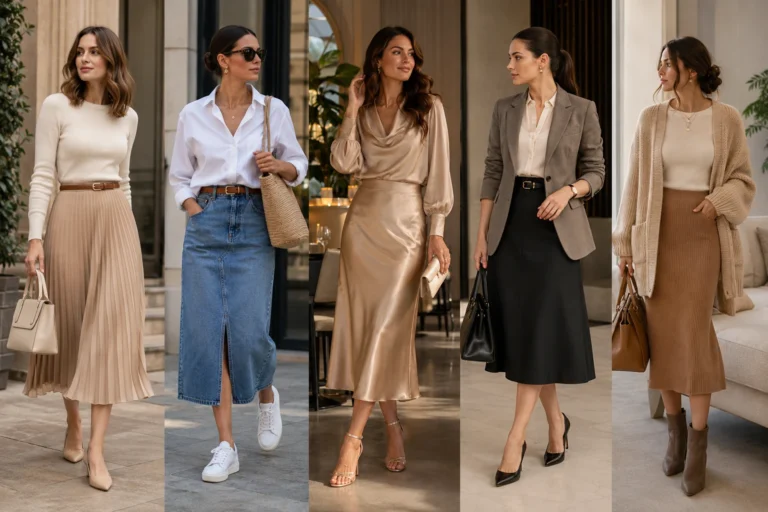
Parisian fashion is famous for looking polished without appearing overly complicated. French style often focuses on simple silhouettes, neutral colors, subtle details, and carefully selected accessories. Instead of relying on excessive embellishment, the beauty comes from the way individual pieces work together.
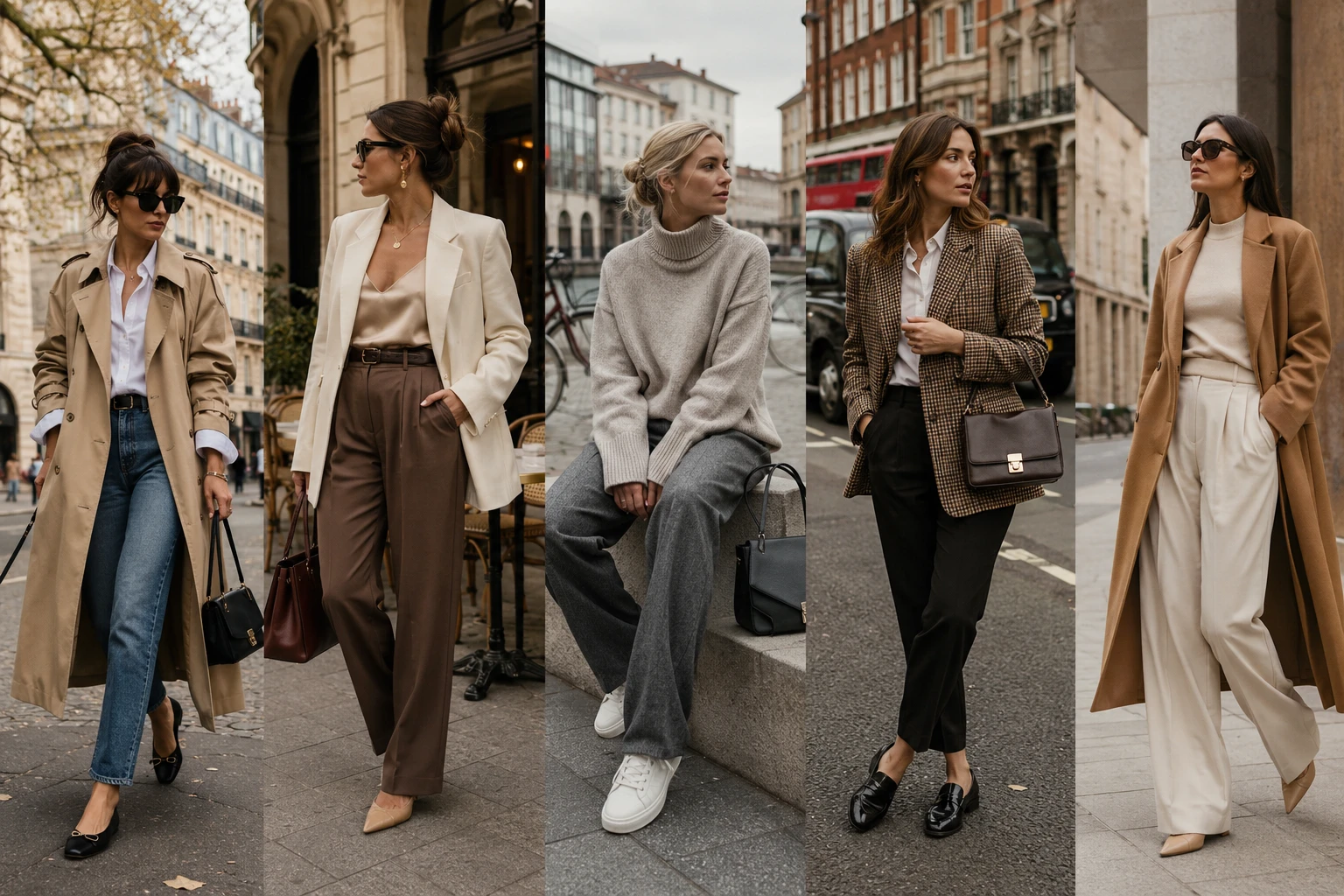
A classic Parisian outfit might feature a structured beige trench coat layered over a simple white blouse and straight-leg blue jeans. Ballet flats, loafers, or sleek ankle boots can complete the look, while a structured handbag adds an elegant finishing touch. The combination feels relaxed enough for everyday wear but sophisticated enough for city life.
French fashion also demonstrates the importance of proportion. A fitted top can be paired with relaxed trousers, while an oversized blazer can be balanced with a simple fitted base layer. This creates visual interest without making the outfit feel overwhelming.
Accessories are another important part of Parisian style. Rather than wearing many statement pieces at once, French-inspired outfits often use one or two carefully selected details. A silk scarf, gold earrings, leather handbag, or classic sunglasses can instantly elevate a simple outfit.
The color palette is usually versatile and understated. Black, white, cream, navy, camel, gray, and denim create an excellent foundation. Small touches of red, burgundy, or soft pastel shades can introduce personality without taking away from the timeless aesthetic.
The modern interpretation of Parisian fashion is particularly appealing because it does not require an entirely new wardrobe. A few classic staples can create numerous combinations. A white shirt can work with jeans during the day, tailored trousers for the office, or a midi skirt for an evening look.
This approach captures one of the most recognizable qualities of European fashion: effortless sophistication. The goal is not to look as though every detail was carefully constructed, even when the outfit has clearly been thoughtfully styled.

2. Italian Fashion Brings Bold Sophistication and Feminine Luxury
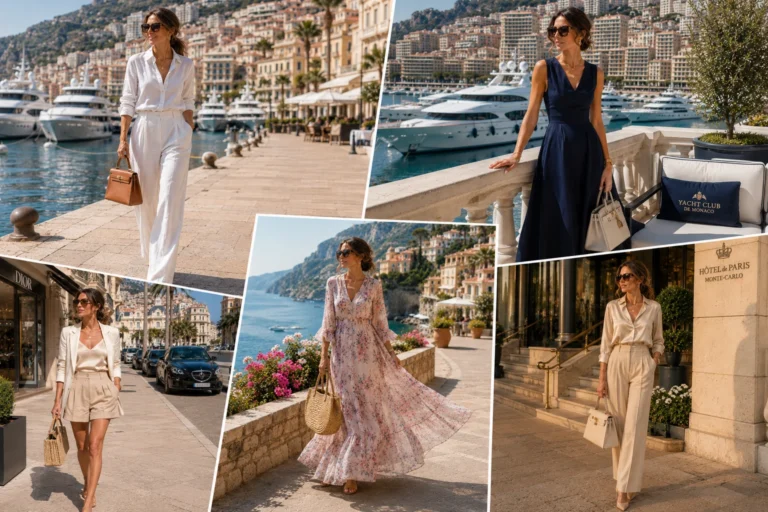
Italian fashion is often associated with confidence, craftsmanship, luxurious materials, and strong silhouettes. Cities such as Milan, Florence, and Rome have contributed significantly to the global fashion industry, creating a style culture that blends traditional craftsmanship with contemporary design.
Italian-inspired dressing often begins with excellent tailoring. A beautifully fitted blazer, wide-leg trousers, elegant midi dress, or structured coat can immediately create a refined appearance. Unlike minimalist dressing that may focus on disappearing into the background, Italian fashion often embraces a stronger visual presence.
A sophisticated Italian-inspired outfit could feature a fitted cream blazer, silk camisole, high-waisted tailored trousers, and pointed heels. A leather handbag and statement sunglasses can add a luxurious finishing touch. The overall appearance feels feminine, confident, and polished.
Color can also play an important role in Italian fashion. Although neutral shades remain popular, Italian-inspired wardrobes are not afraid of rich colors. Chocolate brown, burgundy, emerald green, deep navy, terracotta, ivory, and warm camel can create a luxurious appearance without appearing excessive.
Italian fashion also highlights the importance of materials. Leather, silk, wool, cashmere, linen, and high-quality cotton can make even a simple outfit look more expensive. This focus on fabric demonstrates why European style is often associated with investment dressing rather than constantly replacing inexpensive trend pieces.
Prints and patterns can also be incorporated thoughtfully. A floral silk blouse, subtle animal print accessory, or geometric patterned skirt can become the focal point of an outfit. The rest of the look can remain relatively simple so the statement piece has room to stand out.
Modern Italian fashion combines this traditional sense of luxury with practical everyday dressing. Sneakers may be worn with tailored trousers, relaxed denim may be styled with a structured blazer, and minimalist dresses can be paired with modern accessories.
The result is a style that feels both sophisticated and approachable. Italian fashion proves that elegance does not necessarily mean wearing formal clothing. Even a casual outfit can appear luxurious when the fit, fabric, color, and accessories are carefully considered.

3. Scandinavian Minimalism Defines Modern European Simplicity
Scandinavian fashion offers a different interpretation of European style. Influenced by countries such as Denmark, Sweden, and Norway, Scandinavian dressing is often recognized for its clean lines, functional silhouettes, neutral colors, and minimalist aesthetic.
The philosophy is simple: clothing should look beautiful while remaining comfortable and practical. This makes Scandinavian fashion especially relevant to modern wardrobes where versatility and everyday wearability are increasingly important.
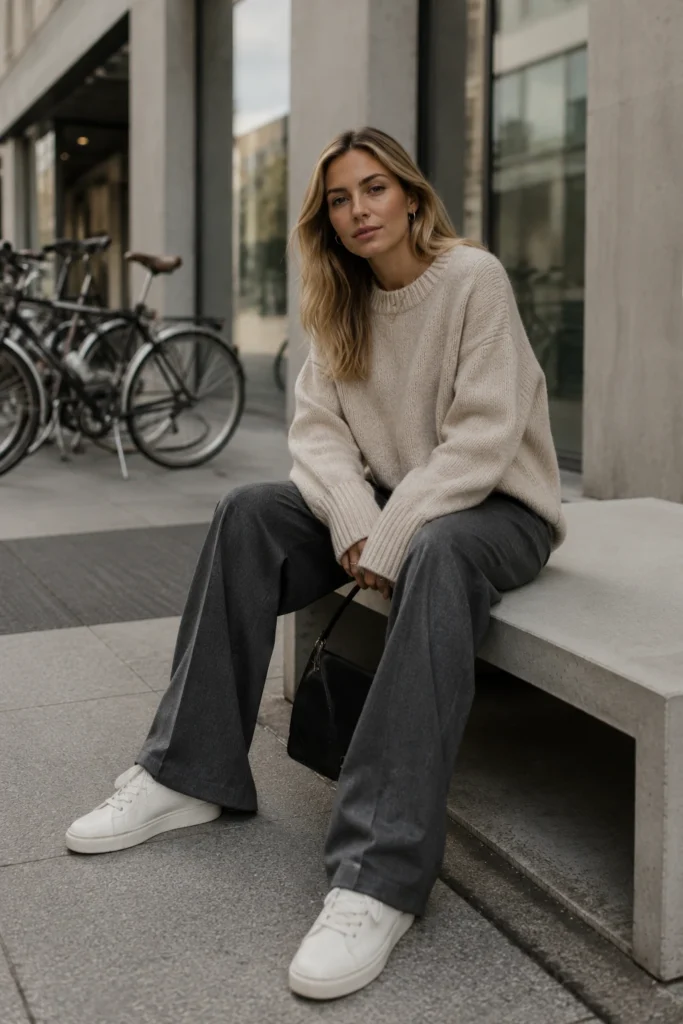
A Scandinavian-inspired outfit might include an oversized cream knit sweater, tailored gray trousers, minimalist sneakers, and a structured shoulder bag. The look is uncomplicated, but thoughtful proportions and neutral tones create a sophisticated appearance.
Layering is another important feature of Scandinavian style. A long wool coat can be layered over knitwear, a button-down shirt can appear beneath a sweater, or a lightweight blazer can be worn under a structured outer coat. These combinations add dimension while maintaining a clean visual appearance.
Scandinavian fashion also demonstrates how neutral colors can create an interesting wardrobe. Cream, oatmeal, charcoal, black, soft gray, beige, navy, and muted brown can be combined in countless ways. Different textures prevent the outfits from appearing flat.
For example, a chunky knit sweater paired with smooth tailored trousers creates contrast through texture. A wool coat over a silk blouse introduces another subtle variation. These details allow minimalist outfits to feel rich without relying on bold patterns.
Comfort is also central to Scandinavian-inspired dressing. Relaxed trousers, oversized shirts, practical footwear, and soft knitwear can all be styled in a polished way. This makes the aesthetic ideal for people who want their clothing to feel comfortable without sacrificing sophistication.
Modern Scandinavian fashion has also embraced contemporary streetwear influences. Relaxed denim, sporty sneakers, oversized outerwear, and minimalist accessories can be combined with more refined pieces. The result is a modern European aesthetic that feels fresh, functional, and effortless.
4. British Fashion Blends Classic Tradition with Modern Edge
British fashion has a distinctive identity shaped by tailoring, heritage fabrics, countryside influences, and contemporary street style. London in particular is known for combining traditional clothing with unexpected modern details.
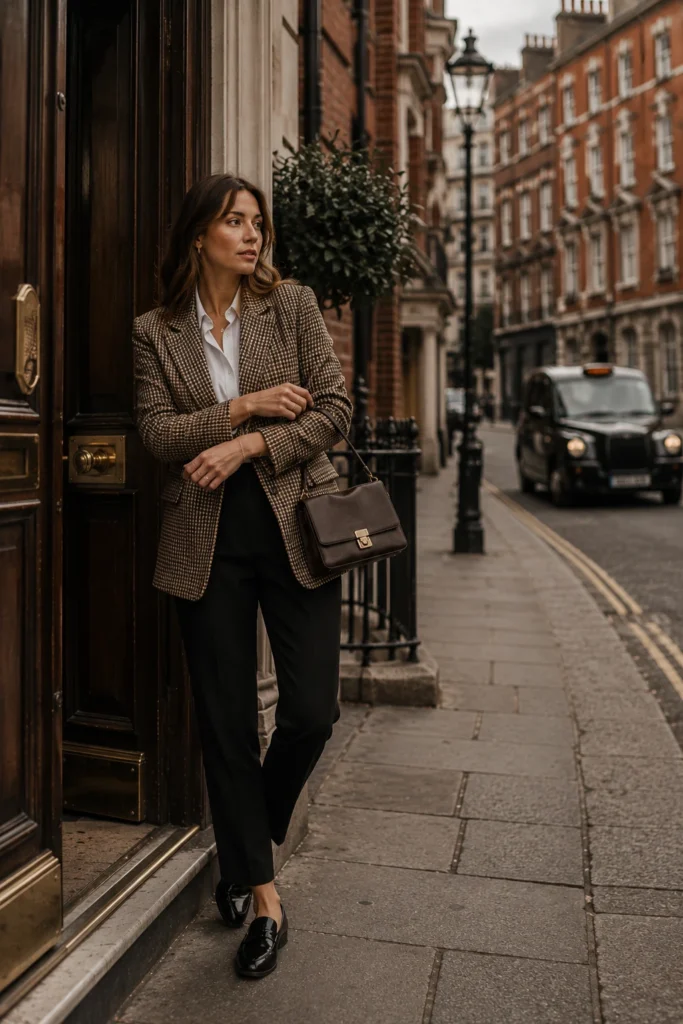
A classic British-inspired outfit might feature a tailored wool blazer, crisp button-down shirt, straight-leg trousers, leather loafers, and a structured handbag. A trench coat or checked outer layer can introduce traditional British character.
One of the strongest influences on British fashion is tailoring. Structured jackets, fitted coats, pleated trousers, and well-designed shirts create a polished foundation. Even when paired with casual pieces, tailoring can make the overall outfit feel intentional.
British fashion is also known for incorporating heritage patterns. Plaid, checks, houndstooth, and subtle stripes can add personality to an outfit. These patterns can be introduced through a blazer, skirt, coat, scarf, or handbag rather than being used from head to toe.
Outerwear plays a particularly important role. A classic trench coat can transform a basic jeans-and-shirt combination, while a wool coat creates an elegant winter silhouette. Leather boots and loafers further emphasize the traditional British influence.
However, modern British fashion is not limited to conservative dressing. London street style has a reputation for experimentation. Oversized silhouettes, unexpected color combinations, chunky footwear, denim, graphic pieces, and vintage-inspired clothing can all be incorporated into contemporary outfits.
This combination of tradition and experimentation makes British fashion particularly versatile. Someone can wear a classic camel coat with tailored trousers for a refined appearance or introduce a leather jacket and chunky boots for a more rebellious interpretation.
The most important lesson from British style is that timeless fashion does not have to be predictable. Classic pieces can become modern when they are combined with unexpected textures, silhouettes, or accessories.
5. European Minimalist Luxury Creates Refined Modern Sophistication
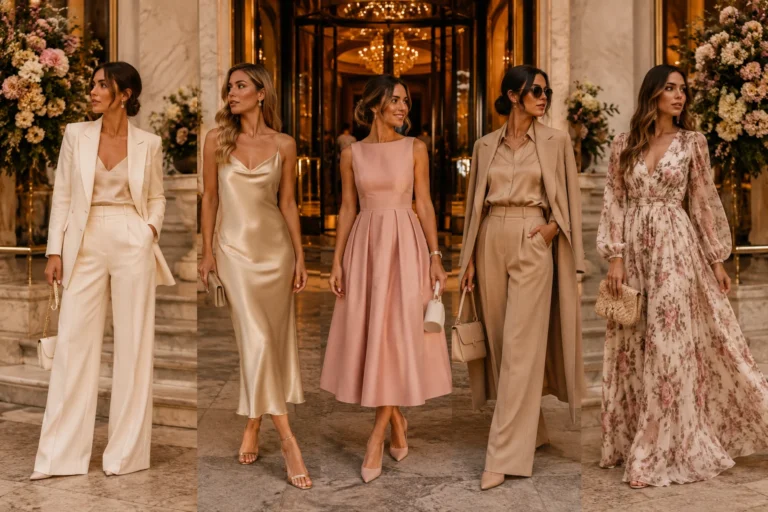
One of the strongest modern European fashion directions is minimalist luxury. This aesthetic combines the clean simplicity of Scandinavian dressing, the refinement of French style, and the luxurious attention to materials often associated with Italian fashion.
The focus is on creating a wardrobe filled with versatile pieces that look elegant individually and work together effortlessly. Instead of building outfits around rapidly changing trends, minimalist luxury emphasizes timeless silhouettes and quality details.
A modern European minimalist outfit might feature a long camel coat, ivory knit top, black tailored trousers, pointed flats, and a structured leather handbag. The pieces are simple, but the combination creates a polished and sophisticated appearance.
Monochromatic dressing is particularly effective for this aesthetic. Wearing different shades of cream, beige, gray, brown, black, or navy can create a cohesive appearance. Variations in texture and silhouette keep the outfit visually interesting.
For example, an ivory cashmere-style sweater can be paired with cream wide-leg trousers and a long beige coat. A leather handbag and minimalist jewelry can complete the look. The result is understated but luxurious.
Minimalist European fashion also encourages thoughtful accessorizing. Rather than using numerous accessories, choose a few high-quality-looking details. A classic watch, delicate gold jewelry, leather belt, structured handbag, or elegant sunglasses can elevate even a basic outfit.
Footwear should complement the clean aesthetic. Loafers, ballet flats, sleek ankle boots, minimalist sneakers, and pointed heels can all work depending on the occasion. The key is to choose shoes that support the overall silhouette rather than overpowering it.
This style is especially useful for building a capsule wardrobe. A neutral blazer can be worn with denim, trousers, skirts, or dresses. A simple knit can work underneath a blazer, with jeans, or paired with a flowing skirt. Versatility reduces the need for excessive clothing while increasing the number of outfits available.
Modern European minimalist luxury therefore represents more than a visual trend. It reflects a broader approach to fashion: buy thoughtfully, style creatively, prioritize quality, and choose pieces that can remain relevant beyond a single season.

How European Fashion Continues to Influence Global Style
European fashion remains influential because it constantly balances history with innovation. Each region contributes something different, yet these influences frequently overlap.
French fashion teaches the value of effortless styling. Italian fashion emphasizes confidence, tailoring, and luxurious materials. Scandinavian fashion demonstrates how simplicity and functionality can work together. British fashion shows how heritage can be reinvented through modern styling. Minimalist European luxury brings these ideas together into a contemporary wardrobe philosophy.
Social media and global fashion platforms have made these regional aesthetics more accessible than ever. People can discover Parisian street style, Milanese tailoring, Copenhagen minimalism, and London streetwear from almost anywhere in the world.
However, European-inspired fashion does not mean copying another culture completely. Instead, these influences can provide styling ideas that are adapted to personal preferences, climate, lifestyle, and individual identity.
For example, someone who prefers casual outfits might combine Scandinavian minimalism with Parisian accessories. Someone who loves feminine dressing might combine Italian tailoring with French-inspired colors. Another person might take British outerwear and style it with contemporary denim and sneakers.
This flexibility is one of the reasons European fashion continues to remain relevant.
Tips for Creating Your Own European-Inspired Wardrobe
Start with versatile basics rather than buying large quantities of trend-focused clothing. A well-fitting blazer, white shirt, tailored trousers, straight-leg jeans, neutral knitwear, elegant coat, and simple dress can provide the foundation for countless outfits.
Pay attention to fit. European-inspired dressing often looks polished because the clothing works well with the body’s proportions. Even inexpensive basics can appear more sophisticated when they fit correctly.
Build a balanced color palette. Neutral shades such as black, cream, beige, navy, gray, brown, and white make it easier to create coordinated outfits. Add one or two accent colors if you want more personality.
Invest in accessories that elevate simple clothing. A structured handbag, quality-looking belt, classic sunglasses, leather shoes, or understated jewelry can transform an otherwise basic outfit.
Finally, avoid trying to make every outfit look perfectly trendy. One of the most enduring lessons of European fashion is the importance of personal style. Choose pieces that make you feel confident and comfortable, then use current trends selectively.
Final Thoughts
European fashion continues to shape global style because it offers much more than seasonal trends. It represents a balance of cultural heritage, craftsmanship, individuality, practicality, and modern creativity.
From Parisian chic and Italian sophistication to Scandinavian minimalism, British tailoring, and modern European luxury, these five approaches provide endless inspiration for creating a stylish wardrobe.
The best European-inspired outfits are not necessarily the most complicated. They are often built from simple pieces, thoughtful proportions, beautiful textures, and carefully selected accessories. By combining timeless essentials with a few modern trends, you can create outfits that feel sophisticated today while remaining stylish for years to come.
Whether you are building a capsule wardrobe, refreshing your everyday outfits, or simply searching for new fashion inspiration, European style offers a timeless foundation. The key is to take inspiration from different cultures, adapt it to your personality, and create a wardrobe that feels uniquely yours.